Tag: InfoSec

Secure Solutions – Satellite Communications
- LOCATED IN Blog
The question a wise security manager asks is, can it be done, outside of a James Bond or Mission Impossible scenario? Is it possible to hack a satellite? If you mean use the satellite for your own signals, the answer[…]

Questions to Ask If You’ve Been Breached
- LOCATED IN Blog
Five Questions to Ask When You’ve Been Compromised 1. Which systems and data were affected? 2. How did they do it? 3 . Who did this to us? 4. Is it really over? 5. Can it happen again? Modern security[…]

Take security seriously?
- LOCATED IN Blog
Anyone who has even the slightest amount of contact with the internet is familiar with the scenario: An email or actual piece of mail arrives from a company who apparently handles some part of your connected life. The letter calmly[…]
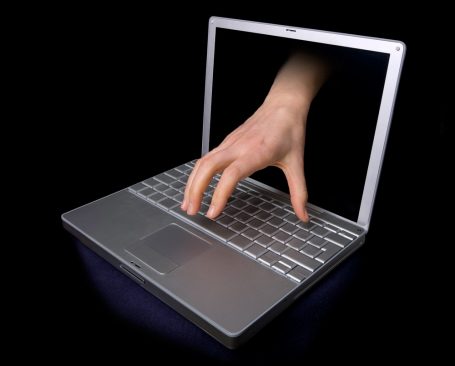
Learn How To Find out if Someone is Secretly using your PC: Secure your personal documents being illegally accessed by another person by checking all the logs and details of the activities that had been done on your PC using[…]

How to Detect Self-Destructing Emails
- LOCATED IN Blog
Learn How to Send Self-Destructing Emails To Your Friends In Gmail: What if we tell you that you can send a self-destructing email to your friends? That means the sent email will destroy itself after the receiver reads it. This is[…]

Warning! Think Twice Before Using USB Drives
- LOCATED IN Blog
Security researchers have discovered a new data-stealing Trojan that makes special use of USB devices in order to spread itself and does not leave any trace of activity on the compromised systems. Dubbed USB Thief ( or Win32/PSW.Stealer.NAI), the malware[…]
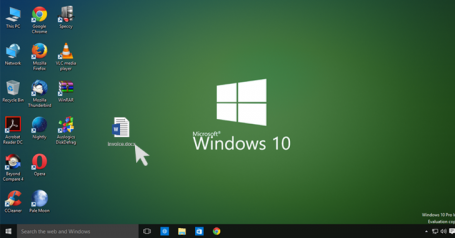
If you receive a mail masquerading as a company’s invoice and containing a Microsoft Word file, think twice before clicking on it. Doing so could cripple your system and could lead to a catastrophic destruction. Hackers are believed to be[…]
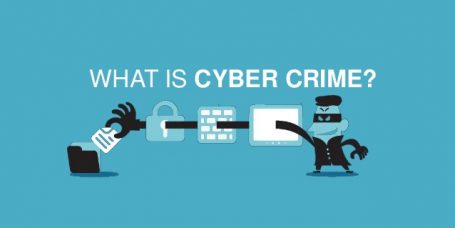
The growing threat of cyber crime
- LOCATED IN Blog
Bringing cyber to the board Cyber crime costs British businesses £34bn a year* Not just an IT issue, boards need to take note of consumers’ awareness and cynicism about how their data is used. Building the right cyber strategy, with[…]
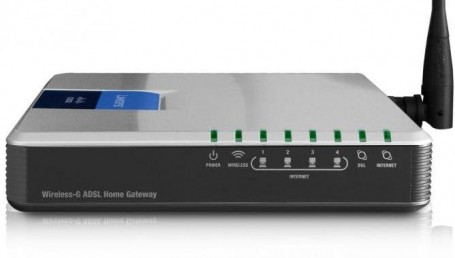
The Founder of Shodan John Matherly was revamping the SSH banner when discovered a large number of devices that share same SSH keys. Back in December when I revamped the SSH banner and started collecting the fingerprint I noticed an[…]
|--Although you should be able to work out who I am, I don't really care, as I can work out who you are. So beware of leaving footprints.--|